
REVIEW · SOVIET HISTORY TOURS
Astana: Old City Tour, Imperialistic and Soviet Architecture
Astana’s old face still whispers. This four-hour private tour leaves the polished new capital behind and takes you into neighborhoods shaped by imperial rule and Soviet planning. I like the focus on lesser-known sites and the way the guide connects art, buildings, and daily life. I also like the private car, hotel pickup, and small-group pace. The main drawback is simple: this is more about stories, streets, and Soviet-era art than grand monuments, so it may feel too specialized if you want only Astana’s newest sights.
I especially like that the tour treats mosaics, murals, and sculptures as historical evidence, not just decoration. Guide Damir has earned praise for his personal anecdotes, careful research, fluent English, and ability to find places many visitors would pass without noticing. Still, you should expect several photo stops and walking segments, so comfortable shoes and weather-ready clothing matter.
In This Review
- Key points at a glance
- Why old Astana changes the way you see the city
- Starting with pickup and a short guided introduction
- Historic neighborhoods and the city’s Soviet frame
- Mosaics, murals, and sculptures that carry a message
- The longer 30-minute stops reward curiosity
- Photo stops without the usual capital-city rush
- What the guide adds to the experience
- The $50 price and what it covers
- Who should book this old-city tour
- Should you book the Astana Soviet heritage tour?
- FAQ
- How long does the Astana old-city tour last?
- What languages does the guide speak?
- Is this a private group tour?
- Is hotel pickup included?
- What should I bring?
- Are entrance fees and refreshments included?
Key points at a glance
- Four hours in a private car: Hotel pickup and drop-off keep the day easy, especially in Astana’s spread-out urban area.
- A look beyond the new capital: Historic neighborhoods reveal the city’s Soviet roots and its shift toward a modern identity.
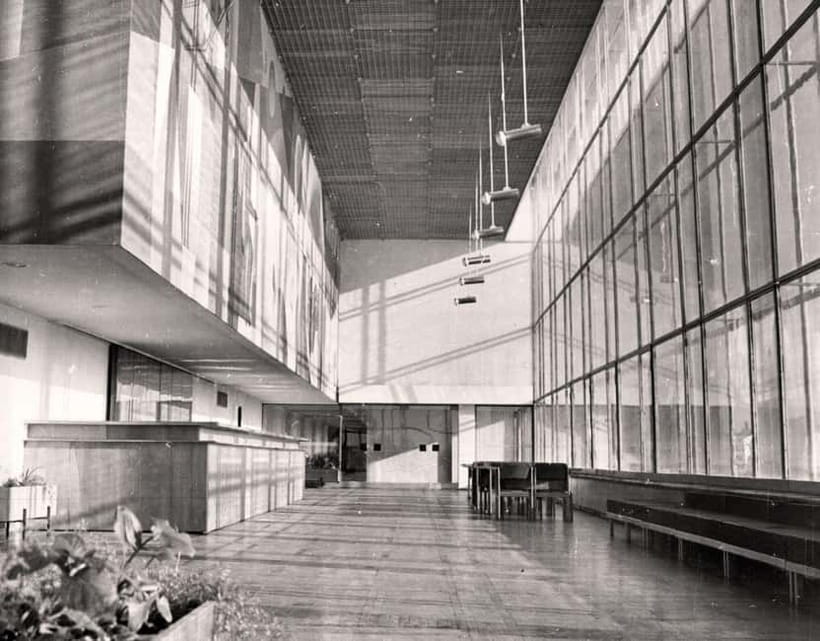
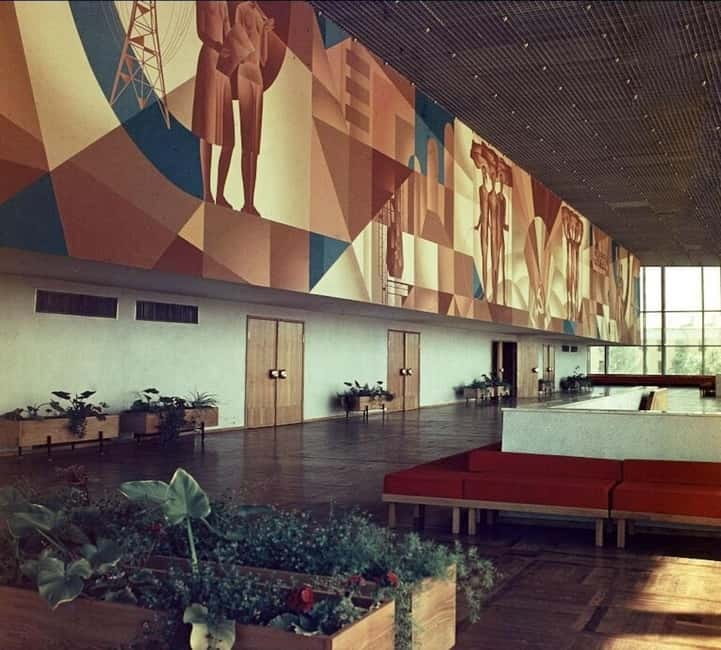
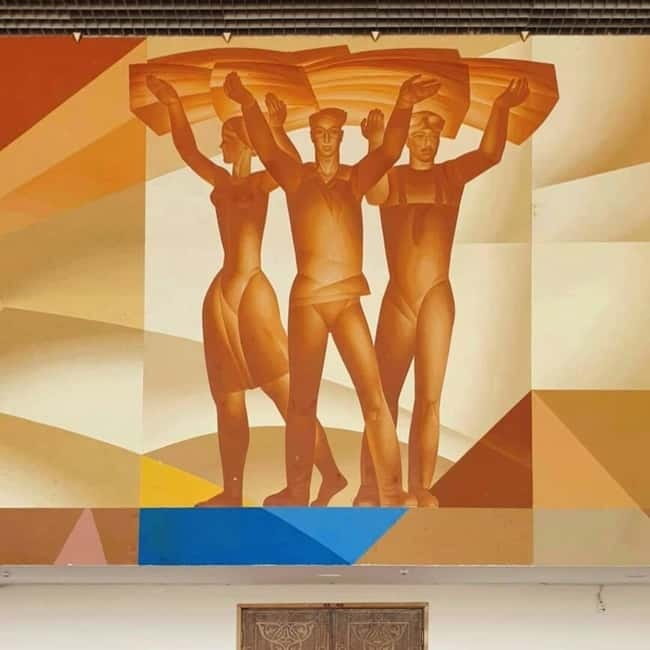
- Soviet public art: Mosaics, murals, and sculptures provide visual clues about ideology, work, culture, and resilience.
- Guide-led interpretation: Damir’s stories and personal research give meaning to places you might otherwise overlook.
- English or Russian: You can take the tour with a live guide in either language.
- Good value at $50 per person: The price includes transport, drinks, Wi-Fi, entry fees, and hotel pickup, though meals are extra.
Why old Astana changes the way you see the city
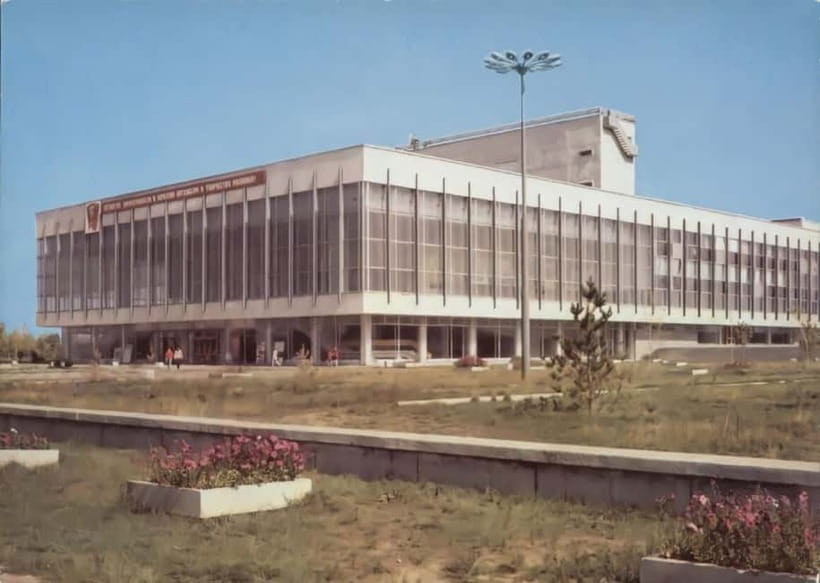
Astana is often presented through its newer side: bold towers, grand government buildings, wide avenues, and futuristic forms. Those sights are worth seeing, but they explain only part of the capital. This tour turns your attention to the older city, where Soviet planning and earlier imperial structures still shape the streets.
I like that contrast. You get to see how a capital can change its public image without wiping away every earlier layer. The tour is not a standard checklist of famous landmarks. Instead, it follows the marks left by past governments, public institutions, artists, and ordinary residents.
That makes the experience useful early in your visit. Once you understand the older neighborhoods, newer Astana becomes easier to read. You can compare the scale, materials, and messages of Soviet public spaces with the grander ambitions of the modern capital.
The focus is also visual. Mosaics, murals, and sculptures often survive in places that do not look important at first glance. A guide can point out what the scene represents, why it was placed there, and how public art helped shape ideas about work, community, and national identity.
More Soviet History Tours:
- Astana: Back to USSR – Gulag Museum with Certified Guide
★ 4.9 · 32 reviews - Astana: KarLag and Karaganda – Private USSR history tour
★ 5.0 · 21 reviews - Astana: Back to USSR Gulag Museum with Certified Guide
★ 5.0 · 14 reviews
Starting with pickup and a short guided introduction
The tour begins with pickup from a point you request in Astana, listed in the booking details under Nur-Sultan. Hotel pickup and drop-off remove one common problem in the capital: figuring out how to reach scattered sights on your own.
You start with a guided segment of about 30 minutes. That opening matters because it gives the rest of the tour a frame. Instead of seeing an old apartment block or public building as an isolated object, you begin to understand its place in the city’s growth and political past.
The comfortable, air-conditioned car is helpful here. Astana can have sharp changes in weather, and a private vehicle gives you a warm or cool break between stops. On-board Wi-Fi and refreshing drinks are included, small touches that make a four-hour outing more pleasant.
Because this is a private group, the pace can be more personal than on a large coach tour. You can ask about a particular building, pause for photographs, or spend more time on a subject that interests you. The tradeoff is that the experience depends heavily on the guide’s approach, but Damir’s attention to detail is one of its strongest points.
Historic neighborhoods and the city’s Soviet frame
The first main part of the route takes you through historic neighborhoods. These areas help explain the city before its current image took shape.
You should not expect a preserved old town with a single grand square and rows of postcard buildings. Astana’s older areas are more scattered and practical. Their value comes from the combination of streets, public buildings, art, and stories. The tour shows how the city moved from Soviet roots toward a new capital identity.
A photo stop of about 15 minutes gives you time to look closely rather than simply snap a picture from the car. That pause is useful because Soviet-era architecture often rewards patience. Details can be easy to miss: a relief, a repeated symbol, a mural panel, or the way a building fits into the surrounding street.
I would keep your camera ready, but do not let photography take over. The guide’s explanation is the main reason to visit these places. The buildings may not always seem striking at first, yet their meaning grows when you learn how they relate to the city’s past.
Mosaics, murals, and sculptures that carry a message
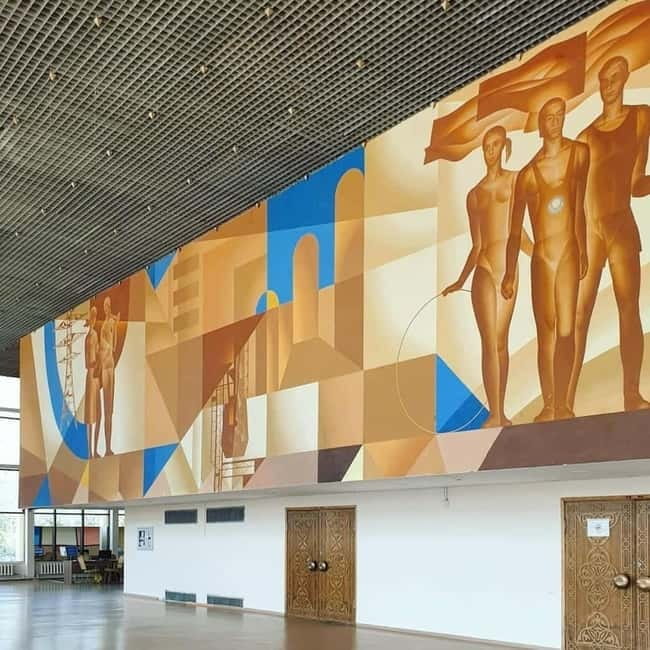
The most distinctive part of the tour is its attention to Soviet public art. You visit several locations with guided explanations and photo time, including a 20-minute stop, a 30-minute stop, and shorter visits of about 15 minutes.
That range gives the tour a good rhythm. You are not trapped inside a museum for four hours, and you are not rushed through a long list of exterior sights. You move between looking, listening, and photographing.
Soviet mosaics and murals were rarely placed only to make a wall attractive. They often carried official ideas about labor, education, science, collective life, or cultural pride. The guide’s job is to explain those messages while also helping you see the artistic details.
Sculptures add another layer. A public figure, worker, student, or symbolic character can tell you how a society wanted itself represented. The distance between official image and ordinary life is part of the interest. This is where the tour’s stories about life in the Soviet Union become useful.
The art may appeal most to you if you enjoy architecture, design, public space, or political history. If you prefer famous sights with a clear wow factor, some stops could feel modest. That is not a flaw, but it is important to know what you are buying.
A few more Astana trips worth weighing up
- Astana City Tour: Private Full Day with Lunch and Comfort Pickup
★ 5.0 · 98 reviews - Astana City Tour: Explore Night City with a Certified Guide
★ 5.0 · 90 reviews - Astana: Burabay Oasis Private Tour+ Lunch+ Pickup+ Bonus Activity
★ 5.0 · 75 reviews - Astana: Burabay National Park Tour with Lunch and Pickup
★ 5.0 · 64 reviews
The longer 30-minute stops reward curiosity
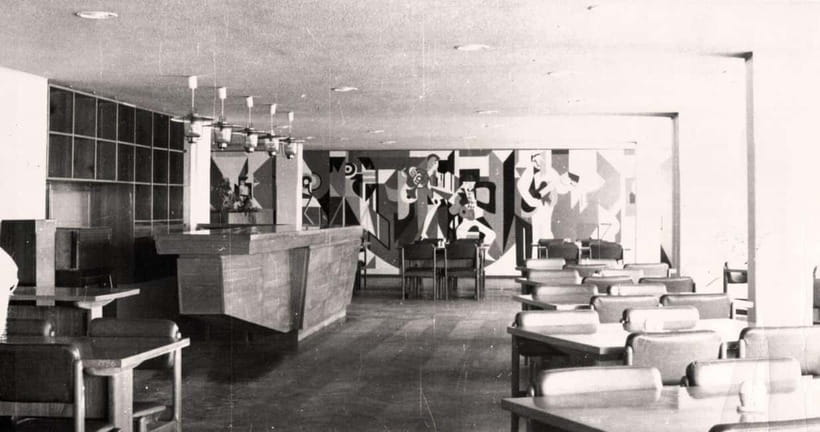
Two of the guided portions last about 30 minutes, with photography built into the schedule. These are likely the moments when the guide can offer the most context and answer questions.
I like the longer pauses because Soviet heritage is not always obvious. A quick drive-by may show you a mural, but it cannot explain the people, ideals, and city changes behind it. Thirty minutes gives you time to study the work, hear its background, and connect it to nearby buildings.
This is also where Damir’s personal research seems especially valuable. He is known for continuing to look for places other guides do not cover, with small surprises along the route. That suggests a tour built from curiosity rather than a fixed list repeated without much thought.
You should feel free to ask direct questions. What did this building do? Who used this public space? What does the artwork show? How did Astana change after becoming the capital? The format allows room for conversation, and the experience is strongest when you treat it as a guided investigation rather than a bus ride.
Photo stops without the usual capital-city rush
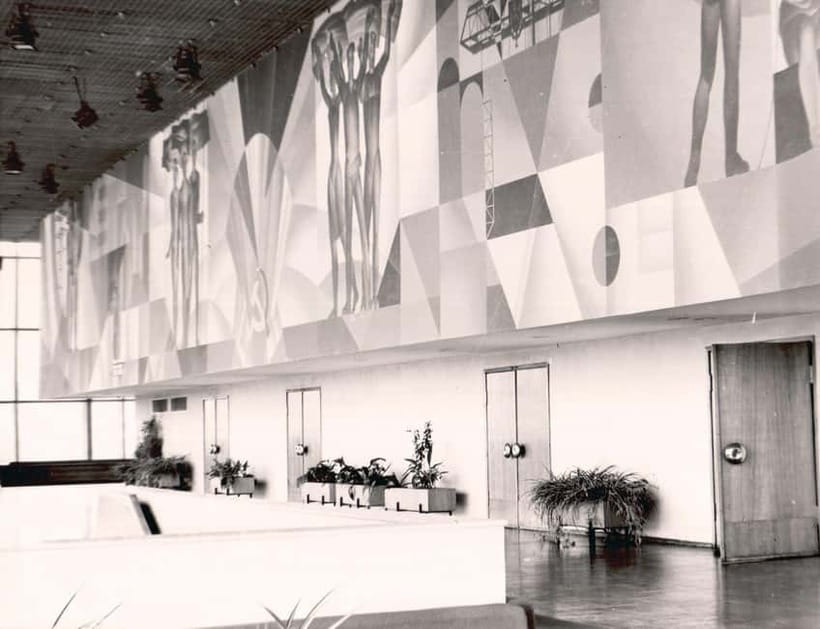
The schedule includes several brief photo stops, generally 15 minutes, along with guided visits. This gives you repeated chances to take pictures without spending the entire tour standing in one place.
Astana’s weather can make those short stops welcome. Bring a camera, but also wear shoes suited to walking between the car and each site. Weather-appropriate clothing is not a minor suggestion here. Wind, cold, heat, or sudden changes can affect how much you enjoy the outdoor portions.
The photo stops also help you record contrasts. You can capture older Soviet-era scenes alongside signs of Astana’s modern identity. Even if you are not a serious photographer, the changing visual character gives you a better sense of the city than a single central sightseeing loop.
One limitation is that the supplied schedule names the stops by type rather than by landmark. You will know the general structure, but not every exact location before pickup. That is part of the tour’s appeal for some people, since the route includes less familiar places. If you need a precise monument-by-monument plan, ask the provider for the current route before booking.
What the guide adds to the experience
The guide is the central feature here. Without strong interpretation, old neighborhoods and public art can look like a collection of unrelated walls and buildings. With a good guide, they become evidence of how the city was planned and how people lived under a changing political system.
Damir is specifically praised for detailed research, personal anecdotes, friendliness, and strong English. Russian is also available. His role is not only to name a building or translate a plaque. It is to connect the physical place with the social world behind it.
That personal element may be the reason the tour earns such high marks. Stories about ordinary life can make large political subjects easier to understand. You may come away with a clearer sense of how Soviet ideas appeared in public spaces, as well as how those ideas were experienced by people living in them.
I would choose this tour with an open mind. You do not need a specialist background in Soviet history, architecture, or art. You only need to enjoy asking why a place looks the way it does.
The $50 price and what it covers
At $50 per person, the tour is a fair value if you want a private, guide-led experience rather than a self-guided walk. The price includes a comfortable car, hotel pickup and drop-off, an expert guide, drinks, Wi-Fi, air conditioning, and entrance fees for museums and attractions visited along the way.
Those inclusions matter in Astana. The city’s sights are spread out, and arranging separate transport can take time. Having one vehicle and one guide also means you are not trying to piece together the older districts by taxi.
Meals are not included, so plan to eat before or after the tour. Four hours is long enough that timing matters, especially if you are booking it around a flight, train, or another activity.
The value is strongest for two kinds of visitors. First, it suits anyone who wants context that standard sightseeing often skips. Second, it works well for a short stay, since pickup, transport, and several guided stops are handled in one half-day.
If you are traveling alone, $50 per person may feel less attractive than the same price shared by two or more people. The private format still offers comfort and flexibility, but the cost per person is worth comparing with other activities in your schedule.
Who should book this old-city tour
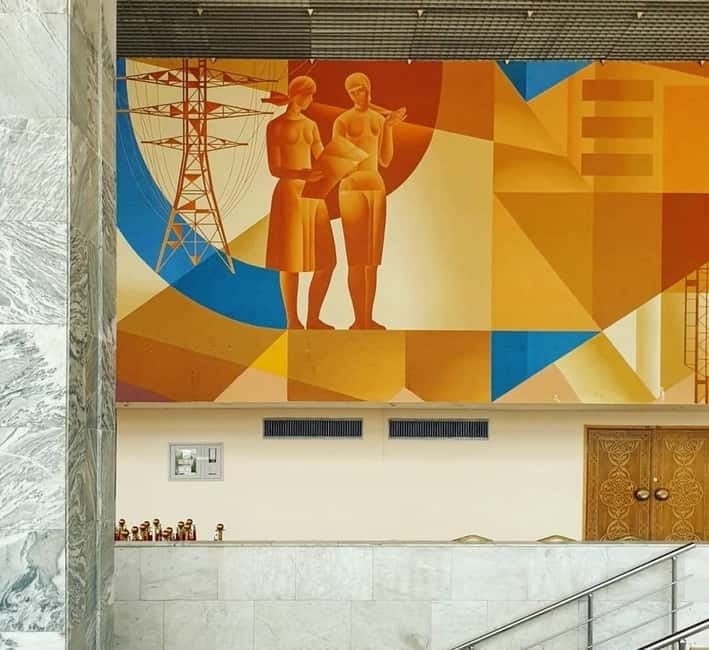
I would recommend it to you if you like architecture, public art, political history, or cities that are still changing quickly. It is also a smart choice if you have already seen Astana’s modern center and want to understand what came before it.
The tour suits curious first-time visitors too. You do not need to know the city in advance, and the guide supplies the background as you go. English and Russian options make it practical for a broad range of visitors.
It is less suitable if you want a food-focused outing, a long museum visit, or a tour built around only famous landmarks. There is no meal included, and the route places more weight on streets, exteriors, artistic details, and conversation.
Bring comfortable shoes, a camera, and clothing suited to the forecast. The tour is wheelchair accessible, but you should still confirm the current route and access arrangements when booking, since the exact sites can vary.
Cancellation is free up to 24 hours before the start, and you can reserve now and pay later. Those terms are useful if your Astana schedule is still moving around.
Should you book the Astana Soviet heritage tour?
Book it if you want the city’s older voice, not just its polished new skyline. The combination of private transport, several photo stops, Soviet-era art, and Damir’s detailed storytelling gives you a more personal look at Astana than a standard highlights tour.
I would make this one of my first choices for a four-hour introduction to the city’s past, especially if I valued local stories over a long list of famous buildings. Just keep your expectations clear: the appeal lies in interpretation and discovery, not in one spectacular monument.
At $50 per person, it offers solid value for a private half-day with transport and entry costs covered. If you are willing to look closely, listen carefully, and walk a little, this tour can show you the part of Astana that is easiest to miss.
FAQ
How long does the Astana old-city tour last?
The tour lasts four hours, including pickup, guided visits, photo stops, and return transport to Astana.
What languages does the guide speak?
The live guide is available in English and Russian.
Is this a private group tour?
Yes. The experience is arranged for a private group rather than a large shared group.
Is hotel pickup included?
Yes. Pickup and drop-off are included, and the guide can collect you from a requested point.
What should I bring?
Bring comfortable walking shoes, a camera, and clothing suited to the weather forecast.
Are entrance fees and refreshments included?
Yes. Entrance fees for museums and attractions visited during the tour, refreshing drinks, Wi-Fi, air conditioning, and transport are included. A meal is not included.
Just added around Astana
- Astana Private Custom Walking Tour with A Local Guide★ 4.0 · 3 reviews
- The Old City Tour★ 5.0 · 3 reviews
- Half Day Private Astana City Tour in Comfort★ 5.0 · 5 reviews
- Astana: Private custom tour with a local guide★ 4.8 · 15 reviews
- From Astana: Burabai National Park (1 day tour)★ 4.8 · 15 reviews
- Astana City Tour: Certified Private Guide+Lunch+Wine Tasting★ 5.0 · 38 reviews
- Astana: Private Night City Tour with Certified Guide★ 4.9 · 25 reviews
- Private Astana City tour: Gude & Food & Winetasting★ 5.0 · 4 reviews
Soviet History Tours, compared.
Back to USSR – Gulag Museum with Certified Guide
Read our review →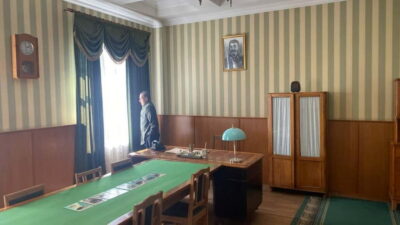
KarLag and Karaganda – Private USSR history tour
Read our review →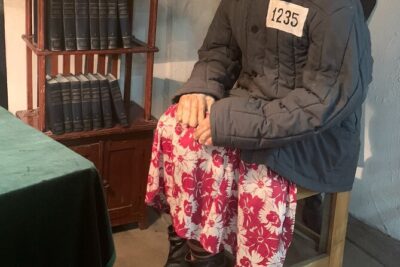
Half-Day Private Tour to Alzhir Camp from Nur-Sultan
Read our review →Browse the lists this tour appears in