
REVIEW · KAZAKH ETHNO-VILLAGE EXPERIENCES
Almaty: Kazakh aul Huns and Ak-Bulak Resort Day Trip
Step into nomad life for a day. This eight-hour trip from Almaty pairs the Huns Ethno-Village with the mountain views of Ak-Bulak Resort, giving you culture, food, horses, archery, and fresh air in one outing. I especially like the hands-on bauyrsak cooking lesson and the lively horse show, two details that make the day feel more active than a simple museum visit.
I also like the smooth hotel transfer and the friendly guides. Max, Maksat, Abbas, and Damir are praised for being helpful, taking photos, and offering extra suggestions for Almaty. The main drawback is value: at $153 per person, this is convenient but may cost more than arranging entry and transport separately.
In This Review
- Five things to know before you go
- Why this Almaty day trip works
- 08:00 breakfast and the road from Almaty
- Shashu and bauyrsak: a tasty start at Huns
- Inside the yurt and the Besikke salu ceremony
- Sarbaz Rukhy and the horse show
- Lunch with pilaf and bauyrsaks
- Archery at 14:00 and free time at Huns
- Ak-Bulak Resort and the mountain views
- Guides, photos, and the small personal touches
- Price, timing, and who will get the most from it
- Should you book the Huns and Ak-Bulak trip?
- FAQ
- Where does the tour take place?
- How long does the experience last?
- What time does the tour leave Almaty?
- What languages are available?
- Is hotel pickup included?
- What food is included?
- Is water included?
- Are alcoholic drinks included?
- What should I wear?
- Is cancellation available?
Five things to know before you go
- The Huns welcome begins with shashu, a traditional ritual in which visitors are greeted with sweets or small treats.
- Bauyrsak cooking gives you something to do, not just something to watch, before tea is served.
- The horse program is the day’s liveliest section, with dzhigitovka, horse games, and the Kara Zhorga dance.
- Ak-Bulak adds a sharp change of mood, moving from cultural demonstrations to wide mountain views.
- The tour is built for convenience, with hotel pickup, a comfortable car, water, an English or Russian-speaking guide, lunch, and show admission included.
Why this Almaty day trip works
Almaty is a city with easy access to open country, but getting beyond the urban area can take planning. This trip handles the long ride into the Talgar District and combines two very different stops. At Huns, you learn about Kazakh nomadic customs through a program of food, ceremony, music, horses, and games. At Ak-Bulak, you get a mountain resort setting and broad views from higher ground.
That mix gives the day a useful rhythm. You are not spending eight hours seated in a van or walking through one formal cultural site. The day moves from welcome ritual to cooking, storytelling, lunch, horse performance, archery, free time, and mountain scenery.
The tour costs $153 per person, which makes the included transport and guiding important. You are paying for a full day outside Almaty, a scheduled cultural program, lunch, and the ease of hotel-to-hotel travel. If you are traveling alone or do not want to arrange a car, that convenience can make the price reasonable.
The value is less clear for a larger private group. One person specifically felt it would be cheaper to pay at the entrance and arrange local transport. That is worth considering, but you would need to compare the separate entrance cost, transport, guide service, and time involved. This tour is strongest for people who value a simple plan and a guide who can help connect the different parts of the day.
More Kazakh Ethno-Village Experiences:
- Almaty: Nomadic Lifestyle Experience at Huns Ethno Village
★ 4.8 · 60 reviews - Discover Nomadic Lifestyle in ‘The Huns’ Ethno-village
★ 5.0 · 25 reviews - Experience the Nomadic Lifestyle at ‘The Huns’ Ethno-village
★ 4.5 · 25 reviews
08:00 breakfast and the road from Almaty
The schedule begins with breakfast at 08:00, followed by departure from your Almaty hotel at 09:00. The trip to the Huns Ethno-Village takes about two hours, with arrival listed for 11:00.
That early start matters. You get a substantial cultural program and still have time for Ak-Bulak before returning to Almaty. The comfortable car is one of the most praised parts of the experience, especially because the day includes several hours on the road.
You should wear comfortable clothes and shoes. The program includes walking around the ethno-village, archery, horseback activity, and time outside. This is not a formal city excursion where smart clothes and polished shoes help you. Dress for movement and changing outdoor conditions.
The guide is another important part of the drive. English and Russian guiding are available, and several guides have been singled out for their care and good attitude. Max, also identified as Maxat, is praised for helping with photos and making the day easier. Damir is also noted for making the outing memorable, while Abbas and Maksat are praised together for their service.
Shashu and bauyrsak: a tasty start at Huns
At about 11:00, you arrive at the Huns Ethno-Village and receive a shashu welcome. This is a small but meaningful touch. Instead of entering a site with a quick ticket check, you begin with a Kazakh social custom that sets the tone for the rest of the visit.
Ten minutes later, the bauyrsak lesson begins. Bauyrsaks are small pieces of fried dough and a familiar Kazakh treat. You take part in preparing them, then sit down for tea.
I like this section because food makes cultural information easier to remember. A guide can explain nomadic life, but cooking gives you a physical connection to it. You see how a simple dough-based food fits into hospitality and daily life, then taste it soon after.
The tea stop is also useful as a gentle beginning before the larger performance. If you arrive hungry, the small treat helps carry you through the late morning. The full lunch comes later, so do not expect this lesson to replace a meal.
Inside the yurt and the Besikke salu ceremony
At around 11:30, the guide explains the life and customs of nomadic Kazakhs and demonstrates a yurt. The yurt is central to understanding the old mobile way of life. Its round form, portable structure, and interior arrangement show how a home could be practical, social, and suited to movement.
This part is more than a photo stop. It gives context to the costumes, customs, and crafts presented around the ethno-village. You can better understand the rest of the program once you see how daily life was organized around the yurt.
The schedule also includes the Besikke salu ceremony, a traditional cradle ceremony for a baby. It is one of the more personal customs in the program, offering a look at family ritual rather than only public entertainment.
The experience is designed as a presentation of Kazakh national identity and nomadic tradition. That means it is staged for visitors, not a working village where you happen to observe everyday life. Still, the combination of explanation, ceremony, food, and performance gives the material more shape than a display of objects alone.
A few more Almaty trips worth weighing up
- Almaty: Charyn Canyon, Kolsay, and Kaindy Lakes Day Trip
★ 4.7 · 1,522 reviews - Almaty: Kolsai-Kaindy Lakes and Charyn Canyons Day Trip
★ 4.7 · 505 reviews - From Almaty: Kolsay, Kaindy Lakes and Charyn Canyon Day Trip
★ 4.6 · 452 reviews - Almaty: Esik Lake and Turgen Waterfall Day Trip
★ 4.5 · 203 reviews
Sarbaz Rukhy and the horse show
At noon, the First Historical Patriotic Club Sarbaz Rukhy presents the main performance. The horse show includes Zhigittik oner, also called dzhigitovka, a form of skilled horseback riding. You also see national equestrian games, including Atpen audaryspak and Kyzkuu.
This is the part most likely to make you sit forward. The emphasis is on riding skill, speed, balance, and traditional games. Horse culture is not a side detail here. It is one of the clearest ways the program connects modern visitors with the nomadic past.
The schedule also includes the Kara Zhorga dance and horseback riding. The dance adds a change of pace after the mounted demonstrations, while the riding portion gives the program a more direct, active feel.
You should keep your expectations in the right place. This is a cultural show with a set program, not an open-ended lesson in horse handling. The appeal is watching the skills and customs presented in one place. If you are especially interested in equestrian traditions, this will probably be the strongest part of the Huns visit.
Lunch with pilaf and bauyrsaks
Lunch is scheduled for 13:00. It includes pilaf, salad, bread, bauyrsaks, tea, and water.
That is a practical meal for a full day outside the city. Pilaf gives you something filling, while the bread and bauyrsaks continue the food theme from the morning. Tea keeps the meal tied to the hospitality customs introduced earlier.
The food has received strong praise, but you should note what is and is not included. Alcoholic drinks are not part of the package, and personal expenses are separate. Water is included, which is useful on a warm day or after time outdoors.
Because the lunch follows the horse show, it also creates a natural pause. You have spent the morning moving between demonstrations and explanations, so a seated meal gives you a chance to rest before archery.
Archery at 14:00 and free time at Huns
At 14:00, you take part in an archery lesson. This hands-on section helps balance the more performance-based horse show. You are not simply watching specialists demonstrate traditional skills. You get a chance to try one of the activities associated with the region’s warrior and nomadic culture.
The exact amount of instruction is not specified, so I would treat this as an introductory activity rather than a full archery course. Comfortable clothing helps here, especially if you want to take part without worrying about restrictive sleeves or footwear.
Free time follows at 15:00. This hour is valuable because the earlier schedule is fairly full. Use it to look around the ethno-village, take photographs, revisit an area, or simply sit with tea and the setting.
The free period also makes the experience less rushed. You have time to enjoy the site at your own pace instead of moving from one demonstration to the next without a break. If you prefer a tightly guided schedule, you may find this hour less structured. If you like room to breathe, it is welcome.
Ak-Bulak Resort and the mountain views
The day also includes Ak-Bulak Resort, although the timed schedule gives more detail about Huns than about the resort. Based on the experience described, the resort visit comes after the ethno-village and provides a strong visual contrast.
At Huns, the focus is tradition, ceremony, food, and horse culture. At Ak-Bulak, the focus shifts to the mountain setting and panoramic views. Several people describe the views from the top as breathtaking, and one person said the resort offered sights unlike anything they had seen before.
That change is one of the trip’s best planning choices. You finish the cultural program with a completely different kind of experience, taking in the scale of the surrounding mountains instead of concentrating on individual customs and performances.
The exact time spent at Ak-Bulak is not stated, so you should not expect a detailed resort schedule from the information available. Ask your guide how much time is planned there on your departure date. The resort is included in the overall day, but its activities, facilities, and any additional costs are not specified.
Guides, photos, and the small personal touches
The guide can make or break a long day trip. Here, the strongest pattern is helpful service. Maxat is praised for taking or arranging excellent photos and videos, allowing one person to pay closer attention to the experience. Another guide, Max, is singled out for making the visit to both Huns and Ak-Bulak especially enjoyable.
That matters if you are traveling alone or want photographs of yourself rather than only scenery. It also helps if you have questions during the cultural program or want suggestions for other places in Almaty.
The Huns site has its own guide for the village, and English is understood there according to the information provided. That gives you two layers of explanation: your trip guide handles the overall day, while the village program explains the local customs and demonstrations.
You should still ask questions. The program presents many names and rituals in a short period, and a good guide can explain what is ceremonial, what is historical, and what is performed for visitors. Guides have also recommended additional places to visit in Almaty, which can be useful if this is your first time in the city.
Price, timing, and who will get the most from it
At $153, this is a full-service cultural day trip, not a low-cost entrance ticket. The price includes the Huns show, comfortable car transport, hotel pickup and return, an English or Russian-speaking guide, water, and lunch.
I would choose it if you want one organized day and do not want to negotiate transport outside Almaty. It is also a good fit for couples, families, and first-time visitors who want a clear introduction to Kazakh traditions without arranging several separate stops.
You may want to compare options if you are on a strict budget or already have a car. Paying at the gate and arranging local transport might reduce the cost, but you would lose some of the ease and guide support. The tour’s good value comes from the combined service, not from the entrance program alone.
The total duration is eight hours, with return departure from Huns at 16:00. Starting times should be confirmed when you book. Cancellation information is inconsistent in the supplied details: one section says a full refund is available up to 24 hours before departure, while another gives a full refund at 48 hours, 50 percent from 48 to 24 hours, and no refund within 24 hours. Check the exact terms shown at payment.
Should you book the Huns and Ak-Bulak trip?
I would book this trip if you want a broad, easy introduction to Kazakh culture and scenery in one day. The best parts are the warm shashu welcome, bauyrsak lesson, yurt explanation, Besikke salu ceremony, horse games, archery, and the change of scenery at Ak-Bulak.
I would hesitate only if price is your main concern or if you want a quiet, unscheduled visit. The day is organized and performance-led, and the $153 price may be higher than arranging separate admission and transport. For most first-time visitors to Almaty, though, the comfortable van, helpful guides, included lunch, and packed cultural program make it a practical choice.
FAQ
Where does the tour take place?
The tour takes place in the Talgar District of Kazakhstan, beginning with transport from Almaty to the Huns Ethno-Village and also including Ak-Bulak Resort.
How long does the experience last?
The experience lasts eight hours. The listed schedule begins with departure from Almaty at 09:00 and includes departure from Huns at 16:00.
What time does the tour leave Almaty?
Hotel departure is scheduled for 09:00. Breakfast is listed at 08:00.
What languages are available?
Live guiding is available in English and Russian. The Huns village also has a separate guide, and English is understood there.
Is hotel pickup included?
Yes. Two-way transfer to and from your hotel in Almaty is included.
What food is included?
The program includes bauyrsaks and tea during the morning cooking lesson. Lunch includes pilaf, salad, bread, bauyrsaks, tea, and water.
Is water included?
Yes. Water is included in the tour price.
Are alcoholic drinks included?
No. Alcoholic drinks are not included, and personal expenses are also separate.
What should I wear?
Wear comfortable clothes and comfortable shoes. The program includes outdoor activities, archery, horse demonstrations, and free time around the ethno-village.
Is cancellation available?
The booking information says cancellation up to 24 hours in advance can receive a full refund, but another section lists a 48-hour full-refund rule, a 50 percent refund from 48 to 24 hours, and no refund within 24 hours. Confirm the precise policy before paying.
Just added around Almaty
- Charyn Kolsay Kaindy Private Tour★ 5.0 · 3 reviews
- Turgen Waterfall and Assy Plateau Tour★ 3.5 · 3 reviews
- Kolsai Kaindy Lakes with Charyn Canyon Lunch Included★ 5.0 · 3 reviews
- Big Almaty Lake and City Private Tour★ 5.0 · 3 reviews
- Almaty Airport Transfer Mercedes V-Class★ 5.0 · 3 reviews
- All-incl: Kolsay, Kaindy lakes, Charyn Canyon, Black Canyon★ 5.0 · 3 reviews
- City Pub Crawl Almaty★ 5.0 · 3 reviews
- Almaty 1-Day Tour: Kolsay, Kaindy & Charyn Black Canyon★ 5.0 · 3 reviews
Kazakh Ethno-Village Experiences, compared.
Nomadic Lifestyle Experience at Huns Ethno Village
Read our review →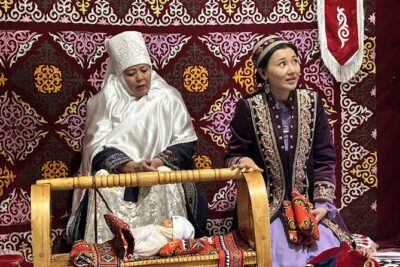
Experience the Nomadic Lifestyle at ‘The Huns’ Ethno-village
Read our review →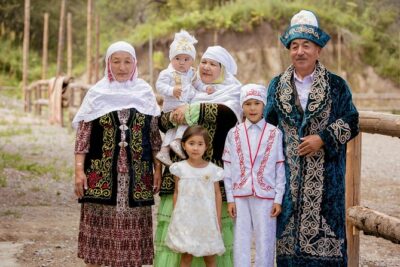
Discover Nomadic Lifestyle in ‘The Huns’ Ethno-village
Read our review →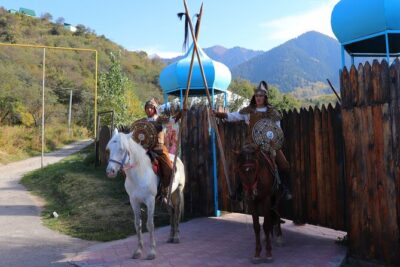
Private Yurt Tour with Horses: Immerse into Kazakh Culture
Read our review →
Trip to Kazakh family of Eagle hunters in Astana (6 hours)
Read our review →Browse the lists this tour appears in